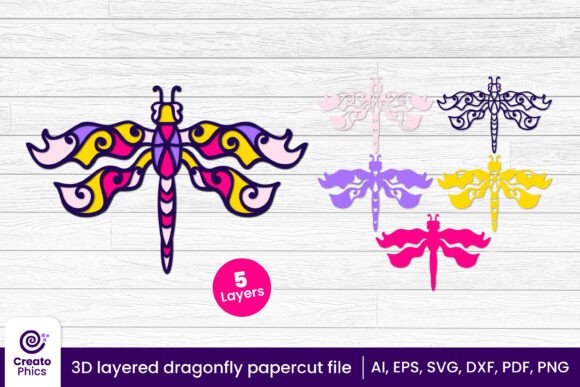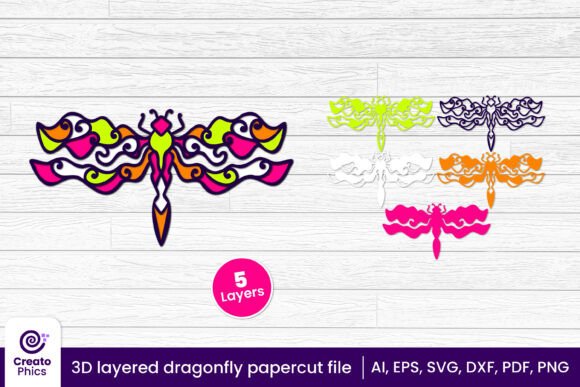
3D Layered Dragonfly Papercut Insect SVG4 for Animals & Nature-Themed Visual Publishing
First Impressions: A Delicate, Artistic Touch for Nature-Inspired Content
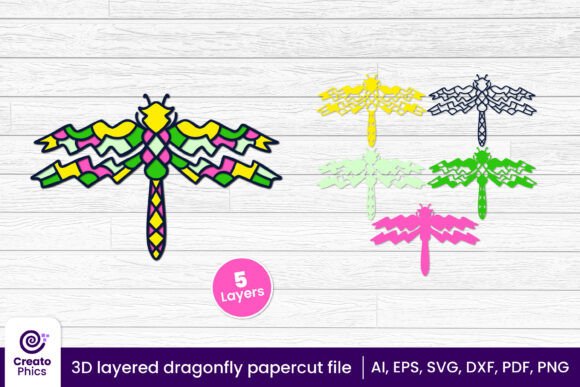
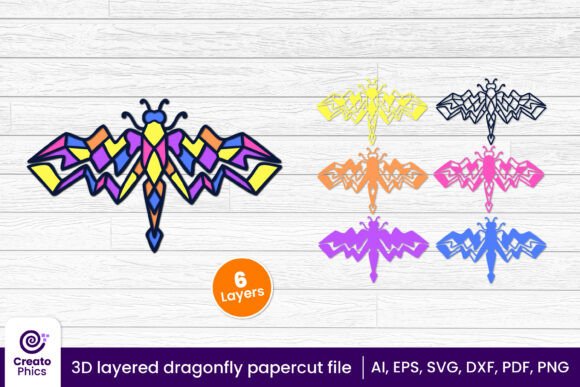
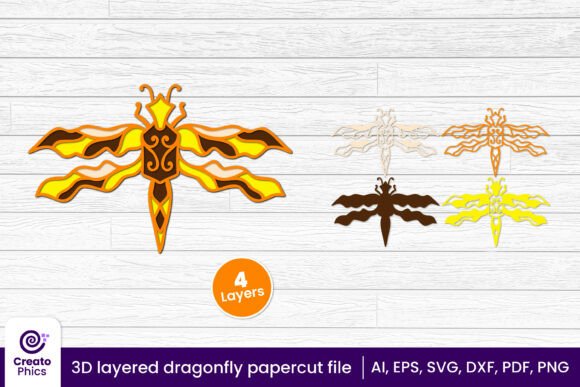
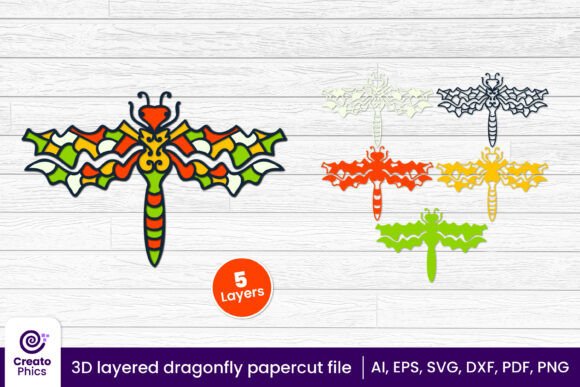
The 3D Layered Dragonfly Papercut Insect SVG4 immediately stands out with its intricate layering and soft, organic shapes. As a blog designer and digital publisher, I see this graphic design asset as a perfect fit for nature, lifestyle, and creative niches. Its papercut aesthetic brings a handmade, artisanal feel that can elevate editorial design and website headers with a gentle, whimsical tone.
This 3D SVG feels especially suited for websites and content that lean into botanical, outdoor, or ecological themes. It’s not overtly bold or modern, but rather decorative and artistic—ideal for bloggers and digital marketers creating content around home decor, eco-friendly crafts, or children’s design projects.
Real-World Publishing Uses: From Pinterest to Printables
When I test new design assets like the 3D Layered Dragonfly Papercut Insect SVG4, I always think about how they’ll perform across a content creator’s workflow. Here’s where this SVG really shines:
- Blog featured images – Adds visual warmth and artistic flair to nature or craft-related posts.
- Pinterest pins – Works beautifully as a background accent or central visual in seasonal or DIY-themed graphics.
- Newsletter headers – Offers a soft, feminine touch that draws attention without overwhelming the text.
- Downloadable printables – Perfect for creating digital guides, worksheets, or Canva templates with a nature-inspired edge.
- Social media previews – Enhances Instagram Stories or Facebook posts for eco-conscious brands or small creative businesses.
This SVG is particularly effective when used as a decorative element rather than a dominant visual. It supports content marketing strategies that aim to build a soft, approachable brand identity—especially in niches like parenting, nature education, or home crafting.
Supporting Content Performance with Visual Identity
In content publishing, visuals are not just decoration—they’re part of the user experience. The 3D Layered Dragonfly Papercut Insect SVG4 helps establish a consistent visual hierarchy across blog graphics, digital guides, and affiliate marketing content.
Using this SVG in your editorial design can:
- Enhance the first impression of your blog or landing page with a unique, artistic touch.
- Improve click-through potential by making Pinterest pins and social media posts more visually engaging.
- Strengthen brand recognition through a consistent use of nature-themed design elements.
- Boost reader trust by presenting content with a polished, professional layout.
- Support category recognition when used consistently in blog thumbnails or website banners.
It’s not just about aesthetics—it’s about how these design assets contribute to the overall credibility and engagement of your content publishing strategy.
Where This SVG Works Best: Focus on Visual Storytelling
For best results, use the 3D Layered Dragonfly Papercut Insect SVG4 in contexts where visual storytelling matters. Here are the top placements I recommend:
- Hero images – Layer subtly behind headlines for a soft, nature-inspired header.
- Article thumbnails – Especially effective for posts about crafts, nature, or seasonal decor.
- Content upgrades – Use in downloadable guides or lead magnets to enhance perceived value.
- Editorial accents – Add as a border or divider in newsletter layouts or digital guides.
- Social media previews – Ideal for Instagram carousel templates or story highlights.
This SVG truly comes to life when placed in editorial contexts that benefit from a touch of organic design. It pairs especially well with pastel color schemes, serif fonts, and minimalist layouts that still want a hint of decorative flair.
Where to Use with Caution: Balancing Style and Function
While the 3D Layered Dragonfly Papercut Insect SVG4 is a beautiful asset, it’s not universally applicable. Here are some situations where you should use it carefully:
- Small mobile thumbnails – The detail may get lost on tiny screens.
- Text-heavy blog images – Can compete with headline copy if not layered properly.
- Low-contrast backgrounds – May blend in and lose visual impact if not tested thoroughly.
- Busy layouts – Can feel cluttered when used alongside too many other design elements.
- Corporate or serious professional niches – Doesn’t align with minimalist or formal branding.
It’s always important to preview how this SVG performs in real-world publishing environments before going live. That’s especially true when integrating it into content marketing or affiliate marketing visuals where clarity and conversion matter most.
Publisher’s Checklist: Testing and Optimization Tips
Before using the 3D Layered Dragonfly Papercut Insect SVG4 in production, I recommend the following steps:
- Test on desktop and mobile – Ensure it scales well and remains legible.
- Preview as a thumbnail – Make sure it’s still recognizable in smaller sizes.
- Place in a real blog layout – See how it interacts with fonts, colors, and surrounding content.
- Try with headline text – Check readability and contrast when layered together.
- Convert to black and white – Test how it looks in grayscale for print or accessibility purposes.
- Pair with different fonts – Try it with serif, sans-serif, script, and display fonts to see what works best.
- Review file size – Optimize SVG compression for faster page load times.
- Confirm licensing – Make sure it’s cleared for commercial use on monetized websites or digital products.
These steps help ensure that the asset supports your content goals without introducing usability or performance issues.
Final Thoughts: A Versatile SVG for Nature-Inspired Content Creators
The 3D Layered Dragonfly Papercut Insect SVG4 is more than just a decorative graphic—it’s a tool for content creators who want to build a strong visual identity in nature, craft, or lifestyle niches. Whether you’re designing blog headers, creating Canva templates, or producing downloadable printables, this SVG can help elevate your content’s visual appeal and editorial quality.
Used thoughtfully, it contributes to a cohesive brand aesthetic that readers will recognize and trust. If you're a digital publisher, affiliate marketer, or small business owner looking to add a touch of organic elegance to your visual content, this is a design asset worth exploring.